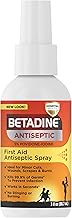
When it comes to effective wound care and infection prevention, few substances have stood the test of time like povidone iodine. This powerful antiseptic has been a cornerstone of first aid kits, hospitals, and medical practices for decades. Whether you're treating a minor scrape, preparing for surgery, or managing a chronic wound, understanding how povidone iodine works and when to use it is crucial for proper care. In this comprehensive guide, we'll explore everything you need to know about this essential first aid antiseptic, including its mechanism of action, common applications, safety considerations, and how it compares to other products on the market.
Povidone iodine, often recognized by the brand name Betadine, is a chemical complex of povidone, hydrogen iodide, and elemental iodine. It works by slowly releasing free iodine, which is a potent broad-spectrum antimicrobial agent. This slow release is key to its effectiveness and reduced irritation compared to tincture of iodine. The iodine penetrates microbial cell walls, disrupting proteins and nucleic acids, leading to the death of bacteria, viruses, fungi, protozoa, and even spores. This makes it an incredibly versatile tool for skin disinfection and wound management.
Common Uses and Applications of Povidone Iodine
The primary use of povidone iodine is as a topical antiseptic. Its applications are wide-ranging:
- Minor Wound Care: For cuts, scrapes, and burns, it helps prevent infection in the critical first hours after injury.
- Pre-operative Skin Preparation: Used extensively in healthcare settings to disinfect skin before surgical incisions or injections.
- Chronic Wound Management: Helps manage bacterial load in ulcers, such as diabetic foot ulcers or pressure sores.
- Disinfection of Medical Equipment: Sometimes used to disinfect surfaces and certain non-metallic instruments.
- Oral Care: In diluted forms, it can be used for gargling to manage throat infections or as part of dental procedures.
For everyday first aid at home, a product like our 10% Povidone Iodine Solution First Aid Antiseptic provides a convenient and effective option. This 8-fluid ounce, unflavored solution is designed for easy application and is a must-have in any well-stocked first aid kit.
Benefits and Advantages Over Other Antiseptics
Why has povidone iodine remained so popular for so long? The answer lies in its unique combination of benefits:
Broad-Spectrum Efficacy: Unlike some antiseptics that target only bacteria, povidone iodine is effective against a wide range of pathogens, including antibiotic-resistant strains like MRSA. This makes it a reliable choice when the specific type of contaminant is unknown.
Sustained Action: The povidone polymer acts as a reservoir, slowly releasing iodine over time. This provides longer-lasting antimicrobial protection compared to antiseptics that evaporate or get neutralized quickly.
Minimal Microbial Resistance: Because iodine attacks multiple structures within microbial cells, the development of resistance is extremely rare. This is a significant advantage in an era of growing antibiotic resistance.
Good Tissue Tolerance: Modern formulations are generally well-tolerated by skin and wounds, especially when compared to older iodine tinctures which contained alcohol and were more irritating.
Safety Profile and Important Precautions
While povidone iodine is generally safe for topical use, certain precautions are necessary for optimal and safe application.
Allergic Reactions: Although uncommon, some individuals may be allergic to iodine. A patch test is recommended for those with a known sensitivity or when using the product over a large area for the first time.
Thyroid Function: Systemic absorption of iodine through large, open wounds or mucous membranes can potentially affect thyroid function, especially in individuals with pre-existing thyroid conditions, pregnant women, or newborns. It is crucial to use it only as directed and avoid prolonged use on large wounds without medical supervision.
Staining: Povidone iodine can stain skin, clothing, and surfaces a yellowish-brown color. These stains are usually temporary on skin but can be permanent on fabrics. Applying petroleum jelly around the wound edges before application can help minimize skin staining.
Interaction with Other Agents: It should not be used concurrently with other antiseptics like hydrogen peroxide or silver-based products, as they can inactivate each other. Always clean the wound with saline or sterile water before application.
Exploring Alternatives: Is There a Better Option Than Betadine?
The brand name Betadine is often synonymous with povidone iodine, but it is not the only option. Many high-quality Betadine alternatives exist that offer the same active ingredient at a potentially lower cost. When evaluating alternatives, look for a 5-10% povidone iodine concentration, which is standard for topical antiseptic use. Our First Aid Antiseptic solution meets this standard, providing a reliable and accessible option for effective wound cleansing and protection.
Other common antiseptics include chlorhexidine, hydrogen peroxide, and rubbing alcohol. Each has its pros and cons. Chlorhexidine has longer residual activity on intact skin but should not be used in ears or eyes. Hydrogen peroxide fizzes as it cleans but can damage healthy tissue. Rubbing alcohol (isopropyl alcohol) is a good skin disinfectant but causes significant stinging on open wounds. For general-purpose wound care, a povidone iodine antiseptic solution often strikes the best balance between efficacy, safety, and patient comfort.
How to Properly Use a Povidone Iodine Solution
Correct application is key to maximizing benefits and minimizing risks. Follow these steps for minor cuts and scrapes:
- Clean the Wound: First, stop any bleeding by applying gentle pressure. Then, rinse the wound thoroughly under clean, running lukewarm water to remove dirt and debris. Pat the area dry with a clean gauze pad or cloth.
- Apply the Antiseptic: Soak a clean cotton ball or gauze pad with the povidone iodine solution. Gently dab it onto the wound and the immediate surrounding skin (about 1-2 inches beyond the wound edges). Do not pour the solution directly from the bottle into a deep wound.
- Allow to Dry: Let the solution air dry completely. This contact time is essential for it to work effectively.
- Cover if Necessary: For wounds that might get dirty or rubbed by clothing, cover with a sterile adhesive bandage or gauze pad secured with medical tape. Change the dressing daily or whenever it becomes wet or dirty.
- Frequency: For most minor wounds, applying the antiseptic 1-2 times per day is sufficient until a scab forms and healing is well underway.
Remember, this povidone iodine solution is for external use only. Avoid contact with eyes, and if it does occur, rinse thoroughly with water.
Integrating Povidone Iodine into Your Home First Aid Strategy
A comprehensive home first aid kit is your first line of defense against minor injuries. Beyond antiseptic, your kit should include sterile gauze pads, adhesive bandages of various sizes, medical tape, tweezers, scissors, disposable gloves, and a digital thermometer. Having a reliable antiseptic like a 10% povidone iodine solution ensures you can promptly address wounds, significantly reducing the risk of infection which can complicate and delay healing.
For those managing specific conditions like diabetes, where wound healing can be impaired, or for families with active children, keeping a quality antiseptic on hand is non-negotiable. It's also a wise addition to travel kits, camping gear, and workplace safety stations. When selecting products for your medical supplies, prioritize those from reputable sources that clearly list ingredients and concentrations.
Conclusion: A Time-Tested Tool for Modern Wound Care
Povidone iodine remains a gold-standard antiseptic for good reason. Its broad-spectrum efficacy, sustained action, and favorable safety profile make it an indispensable component of both professional wound care and home first aid. Whether you choose a well-known brand or a trusted alternative, understanding how to use it properly empowers you to take charge of minor injuries and prevent complications. By keeping a bottle like our First Aid Antiseptic in your medicine cabinet, you're investing in a simple, proven solution for maintaining skin health and promoting safe, effective healing.