For millions of people, the simple act of traveling—whether by car, boat, plane, or train—is marred by the debilitating effects of motion sickness. The dizziness, nausea, cold sweats, and vomiting can turn a joyful journey into a miserable ordeal. While traditional remedies like over-the-counter pills or acupressure bands have been the go-to solutions, a novel and intriguing device has entered the market: motion sickness glasses. These futuristic-looking goggles promise relief without medication, but do they actually work? This comprehensive guide dives deep into the science, user experiences, and practical considerations to help you decide if they are the right investment for your travel woes.
What Are Motion Sickness Glasses and How Do They Work?
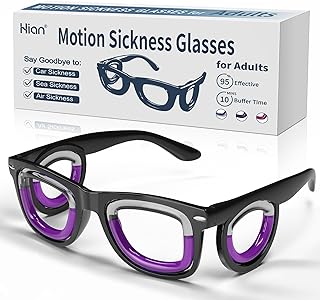
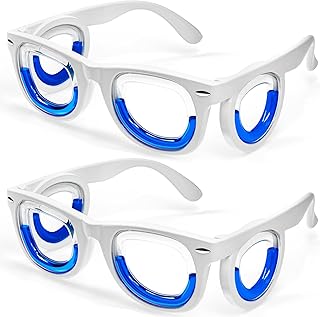
Motion sickness glasses, often called anti-nausea or seasickness glasses, are a non-pharmacological device designed to combat the symptoms of kinetosis (motion sickness). Unlike regular sunglasses or safety goggles, their design is uniquely functional. The most common and talked-about models feature a distinctive plastic frame with four rings—two at the front and one on each side—filled with a colored liquid (usually blue or green).
The core principle behind their function is based on a theory of sensory conflict. Motion sickness occurs when there is a disconnect between what your eyes see and what your vestibular system (the balance center in your inner ear) feels. For example, when you're reading a book in a moving car, your eyes see a stationary page, but your inner ear senses the acceleration, turns, and bumps of the vehicle. This conflicting information sent to the brain is believed to trigger nausea and dizziness.
The Science Behind the Liquid Rings
The glasses aim to resolve this conflict by providing a stable, artificial horizon. The liquid in the rings remains level due to gravity, regardless of the motion of your head or the vehicle. As you move, the liquid sloshes within the rings, creating a moving visual reference point that aligns more closely with the motion detected by your inner ear. By giving your eyes a stable, gravity-based visual cue, the theory suggests the sensory mismatch is reduced or eliminated, thereby preventing the onset of nausea. It's a form of visual biofeedback, training your brain to reconcile the conflicting signals.
Evaluating the Effectiveness: What Does the Research Say?
The concept is fascinating, but the critical question remains: is there scientific proof? Research on motion sickness glasses presents a mixed but generally promising picture. Several independent studies and clinical trials have been conducted, often comparing the glasses to placebos or other remedies.
A notable study published in the journal "Ergonomics" tested the glasses on participants in a rotating chair designed to induce motion sickness. The results indicated that those wearing the glasses experienced a significant delay in the onset of nausea and reported less severe symptoms compared to the control group. Another study focused on sailors found that over 80% of users reported a noticeable improvement in symptoms during rough sea conditions. While more large-scale, long-term studies are always beneficial, the existing body of evidence supports the idea that the glasses can be an effective tool for many sufferers, particularly for mild to moderate motion sickness.
Who Can Benefit Most from Motion Sickness Glasses?
Motion sickness glasses are not a one-size-fits-all miracle cure, but they are an excellent option for specific groups of people. They are particularly well-suited for:
- Individuals who cannot or prefer not to take medication: This includes pregnant women, children (many models are adjustable for smaller heads), people with certain medical conditions, or those who experience unpleasant side effects from drugs like drowsiness.
- Frequent travelers: For those who travel often for work or leisure, relying on daily medication may not be ideal. The glasses offer a reusable, non-chemical alternative.
- People with predictable motion sickness triggers: If you know a specific activity (like ferry rides or winding mountain roads) will cause issues, the glasses can be proactively worn.
- Those seeking a complementary approach: They can be used alongside other strategies, such as focusing on the horizon or consuming ginger.
Pros and Cons: A Balanced View
Before purchasing, it's essential to weigh the advantages and limitations.
Advantages of Motion Sickness Glasses
- Drug-Free: No risk of side effects like drowsiness, dry mouth, or blurred vision.
- Reusable and Cost-Effective: A one-time purchase that can last for years, unlike disposable pills.
- Act Quickly: They can be effective within 10-15 minutes of putting them on, even after symptoms start.
- Portable: Most models come with a protective case, making them easy to pack.
Limitations and Considerations
- Appearance and Comfort: They have a unique, somewhat bulky look that some users may find awkward in public. Finding the perfect fit for extended wear is also important.
- Not 100% Effective for Everyone: Individual responses vary. A small percentage of users may not experience significant relief.
- Activity Restriction: You cannot drive, operate machinery, or engage in strenuous activity while wearing them, as the liquid rings obstruct a portion of your central and peripheral vision.
- Best for Prevention: They are most effective when worn at the first sign of discomfort or proactively before a journey begins.
How to Use Motion Sickness Glasses for Best Results
To maximize the effectiveness of your motion sickness glasses, follow these practical tips:
- Start Early: Put the glasses on at the very first hint of discomfort—feeling warm, yawning excessively, or initial dizziness. Don't wait until you feel severely nauseous.
- Ensure a Proper Fit: Adjust the nose pads and temple arms so the glasses sit securely but comfortably on your face. The rings should be in your field of vision without you having to strain your eyes.
- Combine with Best Practices: Use them in conjunction with other proven methods. Sit in the front seat of a car, focus on distant objects when possible, ensure good ventilation, and avoid reading or looking at screens.
- Be Patient: Allow 10-15 minutes for the visual biofeedback effect to take hold and for your symptoms to subside.
- Clean and Store Properly: Use the provided microfiber cloth to clean the lenses. Store them in their hard case to protect the liquid-filled rings from damage.
Motion Sickness Glasses vs. Traditional Remedies
How do these innovative glasses stack up against the old standbys? Let's compare.
- Vs. Over-the-Counter Pills (e.g., Dimenhydrinate, Meclizine): Pills are widely accessible and effective for many but cause drowsiness. Glasses are non-drowsy but require you to wear a visible device.
- Vs. Prescription Patches (Scopolamine): Patches offer long-lasting relief (up to 72 hours) but require a prescription and can cause significant side effects like dry eyes and confusion. Glasses have no systemic side effects but only work while worn.
- Vs. Acupressure Bands: Bands are discreet, cheap, and drug-free, but their efficacy is debated and often attributed to a placebo effect. Glasses have a more direct, physiologically explained mechanism.
- Vs. Natural Remedies (Ginger): Ginger is a safe and helpful supplement for mild nausea. Glasses address the root cause (sensory conflict) rather than just the symptom of nausea.
The best choice often depends on the severity of your condition, personal preferences regarding medication, and the specific travel scenario.
Conclusion: Are Motion Sickness Glasses Worth It?
Motion sickness glasses represent a clever, science-based approach to a common and frustrating problem. While they may look unconventional, the principle behind them is sound, and a growing body of user testimonials and clinical research supports their effectiveness for a majority of users. They are undoubtedly worth serious consideration for anyone seeking a drug-free, reusable solution, especially for predictable motion sickness triggers like boating or passenger car travel.
If you are tired of the side effects of medication or simply want to explore a new option, investing in a pair of motion sickness glasses could be a game-changer for your travel comfort. Remember, they are a tool for management and prevention. For the best results, use them proactively as part of a holistic strategy that includes choosing the right seat, maintaining fresh air, and staying hydrated. With the right expectations and proper use, these innovative glasses can help you reclaim the joy of the journey, leaving nausea in the rearview mirror.