For millions of travelers, the excitement of a road trip, cruise, or flight is often overshadowed by the debilitating effects of motion sickness. The nausea, dizziness, and cold sweats can turn a joyful journey into a miserable experience. If you're tired of relying on pills that cause drowsiness or wristbands with questionable efficacy, you may have heard about a novel solution: motion sickness glasses. This comprehensive guide delves into the science behind these innovative devices, explores how they work, and provides an in-depth review of a popular portable, lensless design to help you decide if they're the right travel companion for you.
Understanding Motion Sickness: The Sensory Conflict Theory
To appreciate how motion sickness glasses function, we must first understand the root cause of the problem. Motion sickness occurs when there's a disconnect between what your senses are telling your brain. Your inner ear (vestibular system) senses movement, but if you're reading in a car or sitting inside a ship's cabin, your eyes see a stationary environment. This mismatch of signals—known as sensory conflict—confuses the brain, which interprets it as a potential sign of poisoning. The body's response? Nausea, vomiting, and dizziness in an attempt to purge the perceived toxin.
Traditional solutions like anti-nausea glasses aim to resolve this conflict by providing a visual frame of reference that matches the motion felt by the inner ear. By creating an artificial horizon or fluid movement within your field of vision, these glasses can help synchronize your sensory inputs, thereby reducing or eliminating the symptoms.
How Do Motion Sickness Glasses Actually Work?
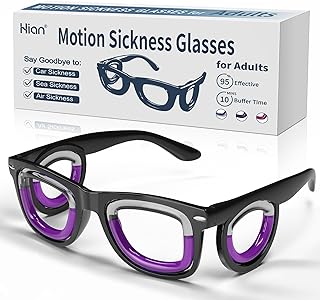
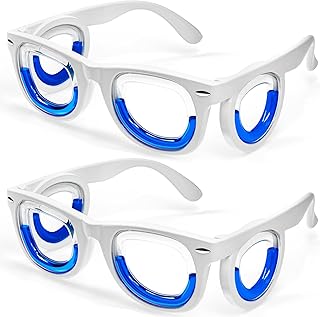
The specific technology can vary between models, but the core principle remains consistent: provide visual cues that correspond to physical motion. Some designs use liquid-filled rims that create a moving horizon line as you turn your head. Others, like the lensless design we're examining, take a different approach. They often feature open frames with colored liquid in rings or chambers positioned at the periphery of your vision. As your head moves, the liquid sloshes within these chambers, creating a gentle, lagging visual movement that your brain can correlate with the motion detected by your inner ear.
This visual feedback is crucial. It's not about blocking your view but about supplementing it with the missing motion data. This helps recalibrate your brain's perception, effectively "tricking" it into resolving the sensory conflict. For many users, this simple mechanical intervention is enough to prevent the onset of nausea during travel, making them a valuable travel sickness relief tool.
In-Depth Review: The Portable Lensless Anti-Motion Sickness Glasses
Let's take a closer look at a specific product that embodies this technology: a popular set of Anti Motion Sickness Glasses with a portable, lensless design. This model is marketed as a solution for car sickness, air sickness, and sea sickness, and comes with a convenient black pattern bag.
Key Features and Design
The most striking feature is its lensless design. Unlike regular sunglasses or goggles, these glasses have an open front. This is intentional, as it allows you to maintain your full field of vision for reading, looking at scenery, or watching screens—activities that typically trigger motion sickness. The "magic" happens in the four circular chambers attached to the frame, each filled with a colored liquid (often blue).
Their portability is a major selling point. They are lightweight, foldable, and come with a carrying bag, making them an easy addition to any travel kit. You can stow them in a glove compartment, carry-on bag, or purse, ready to deploy at the first sign of discomfort. This aligns perfectly with their role as a portable travel essential.
User Experience and Effectiveness
Based on aggregated user reviews and testimonials, the experience is often described as surprisingly effective after a short adjustment period. Users report slipping them on at the start of a journey or when symptoms begin. The gentle movement of the liquid in their peripheral vision provides a constant, subtle reference point for motion.
Many find significant relief from nausea and dizziness, particularly during car rides on winding roads or on boats. Parents have noted success with children who suffer from car sickness, appreciating a drug-free option. For some, it completely eliminates symptoms; for others, it substantially reduces their severity. It's important to note that results can vary, and they seem to work best when used proactively rather than after severe nausea has set in.
Pros and Cons
Pros:
- Drug-free, non-invasive solution with no side effects like drowsiness.
- Portable, lightweight, and easy to store.
- The lensless design allows for normal activities (reading, using phones).
- Reusable and cost-effective over time compared to disposable remedies.
- Can be a game-changer for frequent travelers prone to motion sickness.
Cons:
- The unusual appearance may draw curious looks in public.
- Requires a brief period to get used to the sensation of the moving liquid.
- May not be 100% effective for every individual or in every situation (e.g., extreme turbulence).
- Like any dizziness relief glasses, they are a tool for management, not a cure for the underlying vestibular sensitivity.
Who Should Consider Motion Sickness Glasses?
These glasses are an excellent option for a wide range of individuals. They are ideal for travelers who experience mild to moderate motion sickness and want to avoid medication. They are particularly useful for children, pregnant women, or anyone for whom traditional anti-nausea drugs are not suitable or desirable. Frequent commuters, cruise enthusiasts, and even individuals who get sick on amusement park rides can potentially benefit.
If your quest for a sea sickness aid or a reliable solution for air travel has been frustrating, these glasses offer a novel and physically logical approach. They represent a shift from treating the symptom (nausea) to addressing the cause (sensory mismatch).
How to Use Them for Best Results
For optimal effectiveness, follow these tips:
1. Start Early: Put the glasses on at the beginning of your journey, before any symptoms appear.
2. Ensure Proper Fit: Adjust the arms so they sit comfortably but securely on your nose and ears. The liquid chambers should be visible in your lower peripheral vision.
3. Combine with Best Practices: Use them in conjunction with other strategies. Look forward towards the horizon when possible, ensure good ventilation, and avoid heavy meals before travel.
4. Be Patient: Allow 5-10 minutes for your brain to adjust to the new sensory input. The relief is often not instantaneous but builds over a short period.
Final Verdict: A Worthwhile Investment for Sensitive Travelers
Motion sickness glasses, particularly innovative portable designs, are more than a gimmick. They are grounded in the well-established science of sensory conflict. While they may not work universally with 100% efficacy, they provide a safe, reusable, and side-effect-free alternative for millions seeking relief.
The reviewed Anti Motion Sickness Glasses with their lensless design and portable case offer a practical and discreet (once you're used to them) way to tackle travel-induced nausea. If you're tired of letting motion sickness dictate your travel plans, these glasses are certainly worth serious consideration. They empower you to reclaim the joy of the journey, turning potentially sickening trips into comfortable and enjoyable adventures.