For millions, the joy of travel is overshadowed by the debilitating effects of motion sickness. Whether it's a winding mountain road, a choppy sea crossing, or turbulent air, nausea and dizziness can turn an adventure into an ordeal. While traditional remedies like pills and wristbands have their place, a new wave of technology offers a drug-free, wearable alternative: motion sickness glasses. In this comprehensive guide, we'll delve into how these innovative devices work, specifically examining the popular Hion Adult Anti-Motion Sickness Smart Glasses, and help you decide if they're the right travel sickness relief solution for your needs.
What Are Motion Sickness Glasses and How Do They Work?
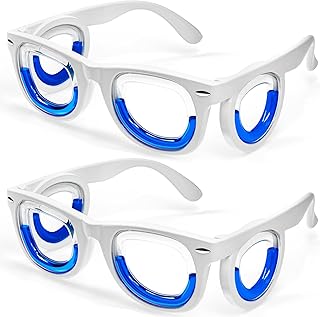
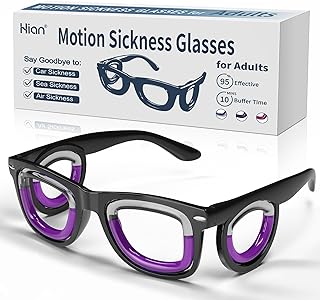
Motion sickness glasses, often called anti-nausea glasses, are a non-pharmacological device designed to prevent and alleviate symptoms like nausea, vomiting, dizziness, and cold sweats. Unlike reading glasses, they don't have prescription lenses. Instead, their core technology is surprisingly simple yet clever. The frames contain a liquid, typically a blue-tinted saline solution, in hollow rims. As your body moves, this liquid creates an artificial horizon line within your peripheral vision.
The science behind it addresses a key cause of motion sickness: sensory conflict. Your inner ear senses motion, but your eyes (if you're reading a book or looking at a stationary object inside a vehicle) report a lack of motion. This mismatch confuses the brain, leading to nausea. The fluid in the glasses moves independently, providing a stable visual reference point that matches the motion detected by your inner ear. This realigns the sensory signals, reducing the conflict and alleviating symptoms. It's a form of visual-vestibular recalibration that many users find effective for car sickness, sea sickness, and air sickness.
Hion Anti-Motion Sickness Smart Glasses: Key Features and Benefits
The Hion model has gained popularity for its specific design and user-friendly features. Marketed as an ultra-light and portable solution, they aim to provide relief for adults and are also suggested as kids travel essentials. Let's break down what sets them apart.
Ultra-Light and Portable Design
One of the biggest selling points is their weight and portability. Traditional relief methods can be bulky or forgettable. Hion's glasses are designed to be feather-light, reducing pressure on the nose and ears during long journeys. Their foldable or compact nature means they can easily slip into a glove compartment, carry-on bag, or even a large pocket, making them a truly portable nausea relief tool you're more likely to have on hand when needed.
Liquid-Filled Rims for Visual Stabilization
At the heart of the Hion glasses are the liquid-filled rims. This is the core anti-motion sickness mechanism. The liquid creates a moving horizon in your lower field of view, which your brain uses to synchronize with the motion signals from your inner ear. Users report that focusing on the distant road or horizon while being subtly aware of this stable liquid line can significantly reduce feelings of disorientation.
Versatility for Different Types of Travel Sickness
The product is explicitly marketed for carsickness, airsickness, and seasickness. This makes it a versatile investment for families or individuals with diverse travel habits. Whether you're prone to sickness on cruise ships, in the back seat of a car, or during airplane takeoff and landing, a single device promises relief. Understanding the specific triggers for each type can help you use the glasses most effectively.
Who Can Benefit from Using Hion Motion Sickness Glasses?
Motion sickness doesn't discriminate, but certain groups may find these glasses particularly beneficial.
- Frequent Travelers: Business travelers, commuters, or vacationers who regularly face nausea-inducing journeys.
- Children: Kids are often more susceptible to motion sickness. A drug-free option like these glasses can be a parent's best friend on road trips or flights.
- Individuals Sensitive to Medication: Those who experience drowsiness or other side effects from anti-nausea drugs.
- Unexpected Sufferers: People who occasionally get sick on boats or in specific vehicles and want a reliable, on-demand solution.
It's important to note that while marketed for kids, proper fit is crucial. The glasses must sit correctly to align the liquid horizon with the wearer's peripheral vision.
How to Use Anti-Nausea Glasses for Maximum Effectiveness
Simply putting on the glasses isn't always enough. For best results with devices like the Hion smart glasses, follow these tips:
- Put Them On Early: Don't wait until you feel sick. Wear the glasses 10-15 minutes before embarking on your journey to prevent symptoms from starting.
- Ensure a Proper Fit: The glasses should sit comfortably but securely on your nose and ears. The liquid-filled rims need to be within your lower peripheral vision.
- Look Forward: Try to focus on the distant horizon or a fixed point ahead. Avoid reading or looking at screens, which can exacerbate sensory conflict.
- Combine with Best Practices: Use the glasses in conjunction with other strategies: sit in the front seat of a car, choose a cabin mid-ship on a boat, and ensure good ventilation.
- Be Patient: It may take your brain a few minutes to adjust to the new visual input. Give them a fair chance on a short trip before a long journey.
Addressing Common Questions and Concerns
Do Motion Sickness Glasses Really Work?
This is the most common question. Evidence is largely anecdotal but overwhelmingly positive from user communities. The principle of resolving sensory conflict is sound from a physiological perspective. While they may not work for 100% of people (no remedy does), many users report significant or total relief. They represent a low-risk, drug-free option worth trying for chronic sufferers.
Are They Comfortable to Wear?
Comfort is subjective. The Hion glasses are specifically designed to be ultra-light to address this concern. However, some users might need time to get used to the feeling of the frames and the visual presence of the liquid ring. Their portability suggests they are not overly bulky.
How Do They Compare to Other Remedies?
Compared to pills, they have no chemical side effects like drowsiness. Compared to acupressure bands, they address the problem through visual recalibration rather than pressure points. They are a proactive tool you wear, rather than something you take after feeling ill. Many travelers find value in having multiple options, using glasses as a first line of defense.
Making the Decision: Are Hion Smart Glasses Right for You?
Choosing any motion sickness solution is personal. Consider the Hion Adult Anti-Motion Sickness Smart Glasses if:
- You prefer a drug-free, non-invasive approach to nausea relief.
- You want a reusable, portable device for multiple types of travel.
- You are looking for a solution suitable for both adults and older children.
- Traditional methods like medication or wristbands have been ineffective or undesirable for you.
As with any anti-nausea glasses, managing expectations is key. They are a tool for prevention and management, not a magical cure. However, for those tired of the limitations of pills and patches, this innovative technology offers a compelling and scientifically-grounded alternative to reclaim the comfort and joy of travel.